

The on-going attack on Iran by the US and Israel is now disrupting parts of the global energy system. The war has created the “largest supply disruption” in history, the International Energy Agency said, even though dozens of countries agreed to release 400 million barrels.
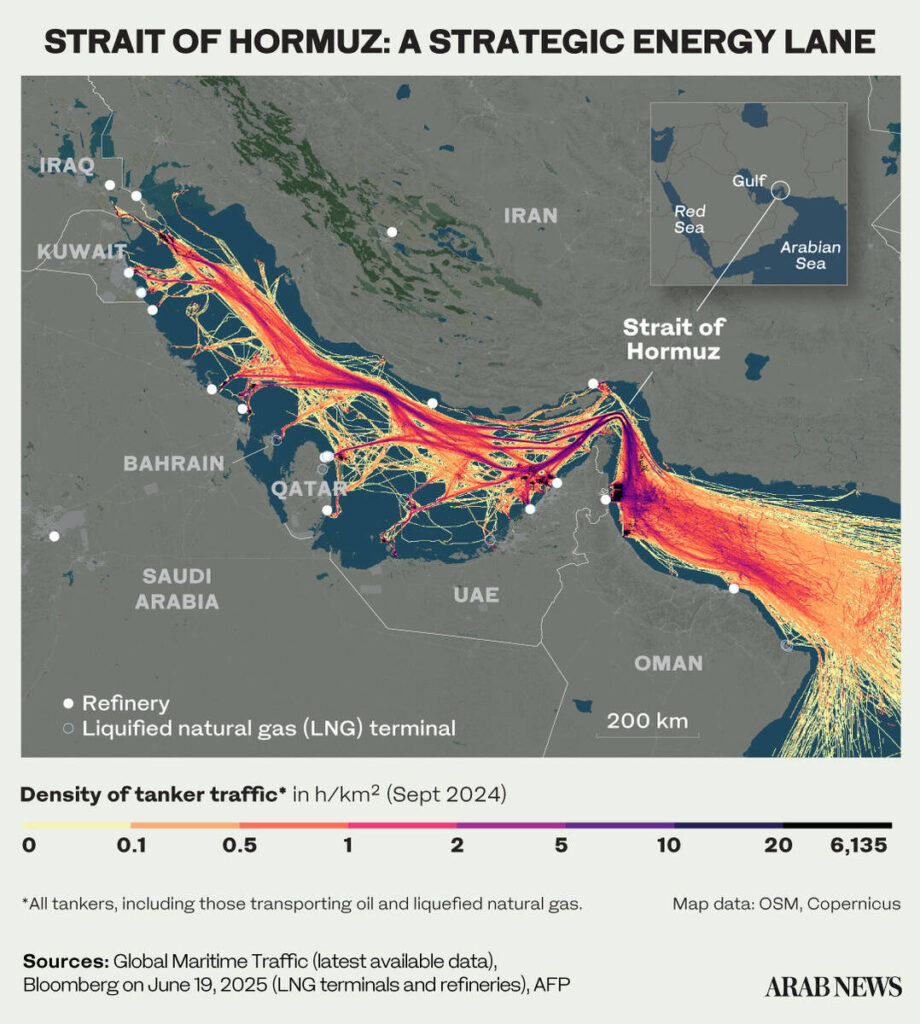
Can the world withstand oil at USD200? Let me be clear about one thing that is the closure of the Strait of Hormuz is Iran’s nuclear option and fortunately, not the radioactive kind.
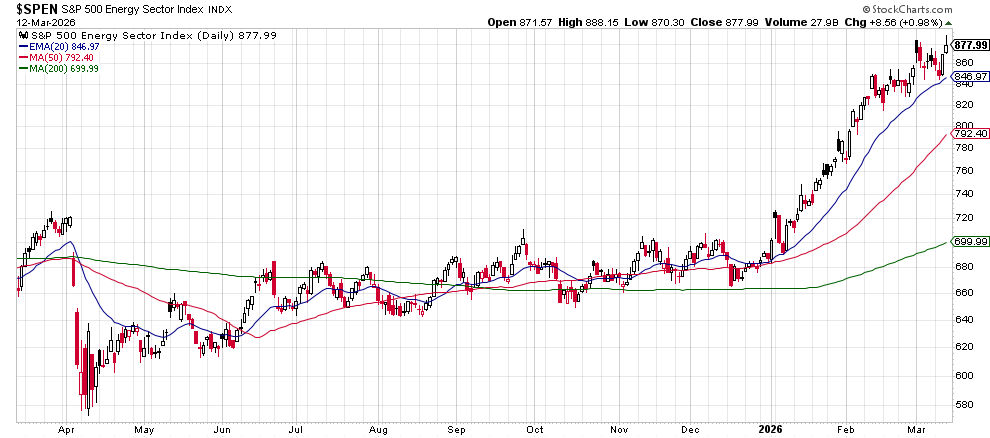
Unsurprisingly, energy prices and energy-related stocks have surged amid the uncertainty. At this point, nobody truly knows how this will unfold exactly but I believe this will be a short war. One thing investors should avoid, however, is thinking with their hormones instead of their heads.
While the headlines grow louder, I have been doing what we normally do behind the scenes: monitoring portfolios closely and running multiple simulations based on different war scenarios. These simulations incorporate various price indicators, technical analysis signals, and historical market reactions to geopolitical shocks. It is not about predicting the future with certainty, but about preparing for a range of possible outcomes.
So far, things are holding up well for us. Taking a total portfolio approach means allocating capital to alternative strategies driven by different forces and market dynamics. These strategies help reduce dependence on the volatility of conventional assets and the emotional swings often triggered by geopolitical events.
It may not make for exciting television, but steady portfolio construction, careful risk management, and a bit of patience usually work better than trying to outguess the next missile launch.