
The Chinese are often described through numbers but resilience cannot be measured statistically. It is rooted in a civilization spanning more than 5,000 years, a culture that has endured dynasties, invasions, revolutions, and reinvention without losing continuity.
Hard work is deeply embedded in the culture. For generations, survival depended on discipline, thrift, and perseverance. Progress is earned quietly, not declared loudly. Success is usually followed by the same routine the next morning, open shop on time and continue building.
Education holds a sacred place. Wealth can fluctuate, knowledge travels with you. In many households, exam season feels more intense than a championship final because learning is seen as the ultimate long-term investment.
From where I live, the Chinese community has played a significant role in shaping modern Malaysia economically, culturally, and socially. The Chinese contribution exists alongside the roles of Malay, Indian, and other communities in building the nation. In recent years, one notable development in Malaysia is the increasing number of Malay and Indian parents choosing to send their children to Chinese primary schools.
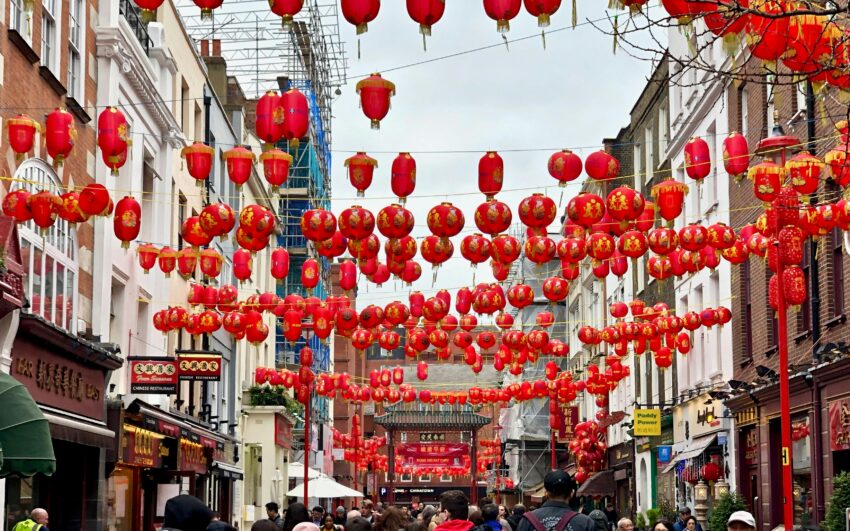
Across the world, bustling Chinatowns reflect the same pattern of adaptability: arrive, work hard, save, reinvest, educate the next generation, and repeat. Setbacks are met less with drama and more with recalibration. There is often a quiet preparedness, not pessimism, but experience.
Ultimately, Chinese resilience is steady rather than loud, patient rather than reactive. It shows up daily, values education deeply, contributes meaningfully to society, and keeps building quietly and persistently.