
I asked a trader friend what he made of the repeated use of the word “temporary” by Trump officials. He laughed: “Temporary compared to what?” Fair point. Washington manages the narrative but the market manages the shortage. And it is the shortage that ultimately moves the price of diesel.
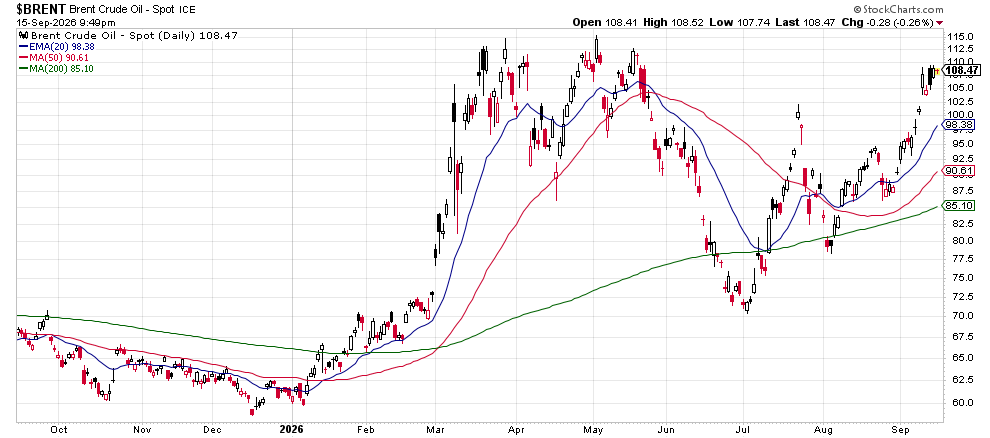
Chevron CEO made a similar point at a conference. The buffers that have helped absorb the disruption over the past six months from stockpile draws, spare capacity to strategic reserves are largely played out. There is not much cushion left.
Then there is Saudi Arabia which has just lost access to the pipeline specifically built to provide an alternative to the Strait of Hormuz. Around 2.5 million barrels a day are effectively stranded. The insurance policy has been cancelled just as the house catches fire.
US retail diesel prices have skyrocketed to a record USD6.23/gal and gasoline prices, which had slipped below USD4 during the summer have bounced to USD4.32/gal, and WSJ reported that some CEOs and energy advisers are growing alarmed as the Middle East conflict has picked up again with ships and energy infrastructure being targeted in both directions.
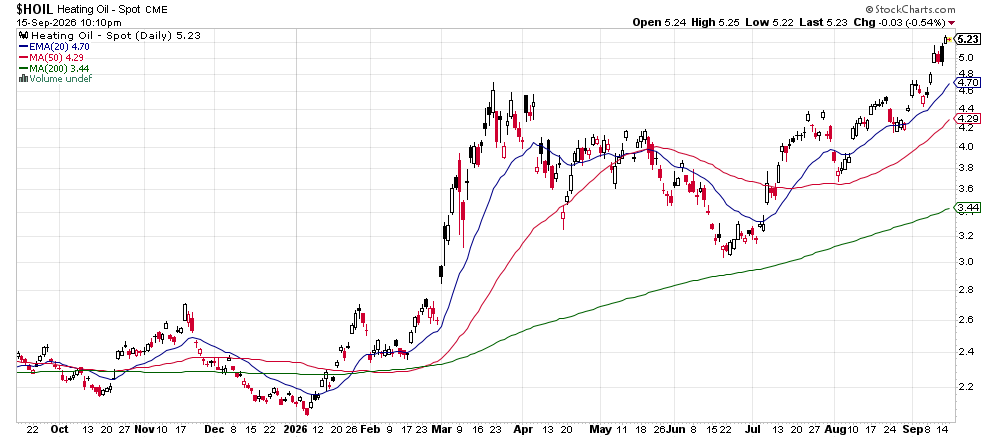
Nobody rings a bell at the top. When the CEO of one of the world’s biggest oil companies says he “can’t envision prices softening quickly”, it is probably worth paying attention.
I also have an ETF in our model portfolio that is designed to capture the inflationary effect from higher energy prices. The idea is not to predict exactly where oil goes next but to have something in the portfolio that can benefit if the inflationary pressure keeps spreading.
Well, watch the barrels and plan your next move.