
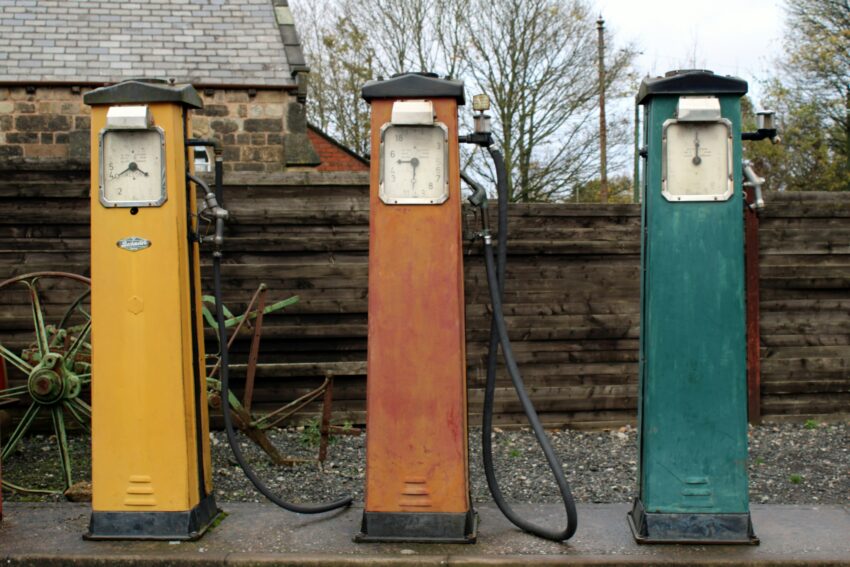
On my trips to and from the airports, I found myself in long, blunt conversations with cab drivers, an unintended but surprisingly rich “alternative data source.” Well, the topic was predictable: rising oil prices. These drivers are already feeling the pinch.
Globally, oil prices have surged sharply due to disruptions linked to the Iran conflict, with supply shocks affecting a significant portion of the world’s energy flow. As always, fuel is never just fuel, it quietly seeps into everything else: food, transport, logistics… and eventually, everyone’s wallet.
The Strait of Hormuz is not just the world’s most important oil chokepoint. It is also a critical artery for the global agricultural supply chain. Beyond crude and LNG, vast volumes of fertilizers and key inputs pass through this narrow stretch of water, quietly underpinning food production across continents.
The cab drivers do not need an IMF report to tell them that. One driver told me, half joking, half serious: “Boss, this one is not just about Iran war… this one means everything also going up.” Another had already formed his own macro view that is complete with conviction, timing, and probably a stronger stance than some fund managers.
In some countries, even with subsidies cushioning the blow, the ripple effects are already creeping in, higher logistics costs, pressure on food prices, and growing inflation risks. For drivers who live day-to-day on margins, this is not theory. It is immediate.
No fancy charts, no Bloomberg terminals, just lived experience. Perhaps that is the purest form of analysis.